
Why categories exist
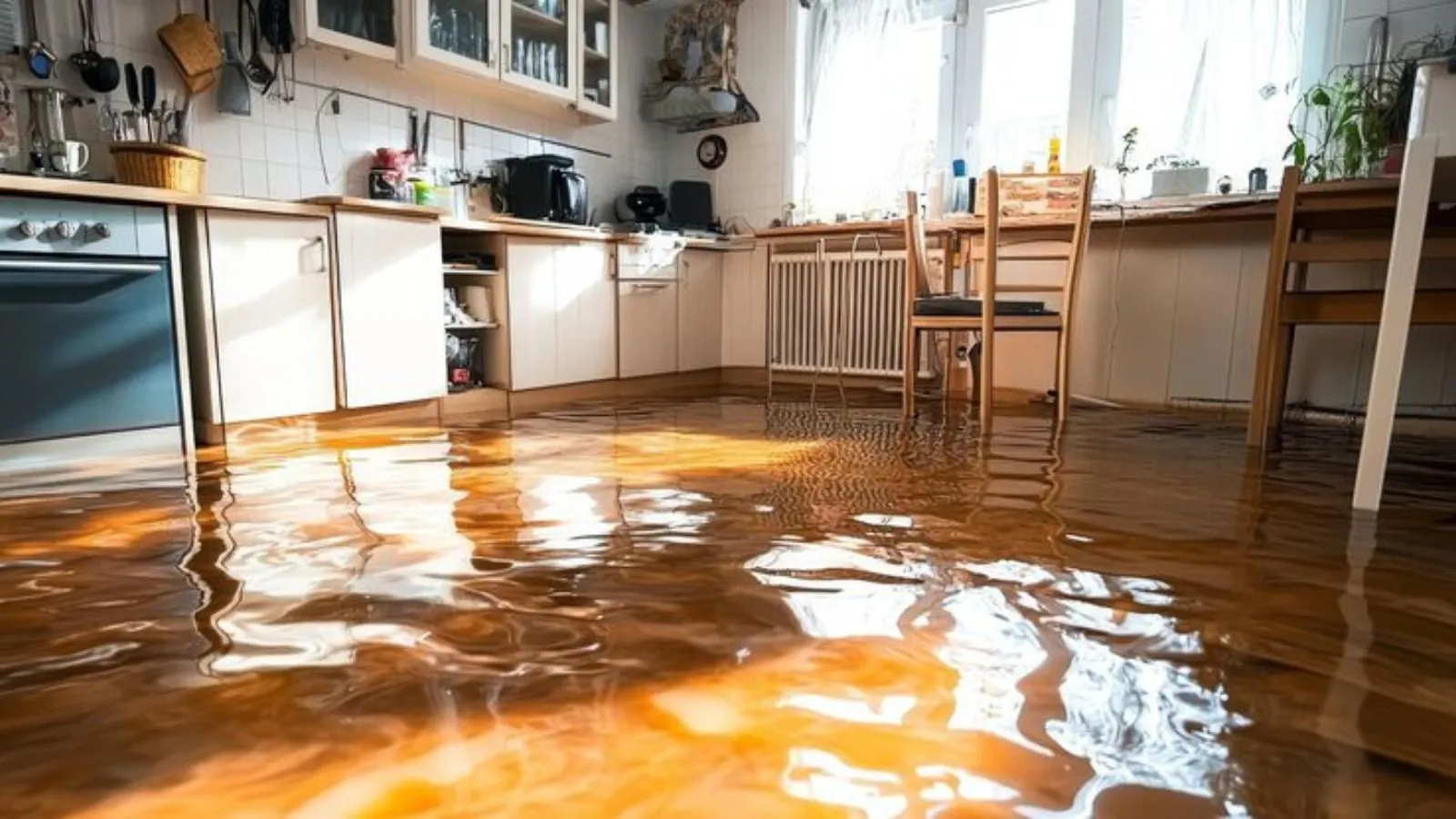
Water is not all the same. A glass of tap water spilled on carpet and a toilet overflow on the same carpet call for completely different responses. The restoration industry's reference standard, ANSI/IICRC S500, sorts water by contamination into three categories so that the response matches the risk.
Your adjuster and your restoration company will both use these terms. Knowing them helps you follow the plan and understand why some materials are saved and others are not.
Category 1: clean water
Category 1 water comes from a sanitary source and poses no substantial risk from skin contact or swallowing. Typical sources:
- A burst or leaking water supply line.
- A water heater tank or its supply connection.
- A sink or tub overflow with clean water.
- A refrigerator ice maker line.
- Rain entering directly, before it touches contaminated surfaces.
With Category 1 water and a prompt response, most materials can be dried in place: carpet, drywall, wood and often the pad.
Water in the house and unsure how dirty it is? Call before you start cleaning and describe the source.
☎ (833) 521-1033Category 2: gray water
Category 2 water carries significant contamination and could cause discomfort or illness if contacted or swallowed. Typical sources:
- Washing machine discharge.
- Dishwasher discharge.
- A toilet bowl overflow with urine but no feces.
- Aquarium water.
- Water from a failed sump pump.
Gray water means more caution. Carpet pad is removed. Carpet may be cleaned and kept in some cases. Drywall is evaluated, and affected surfaces are cleaned with appropriate products before drying.
Category 3: black water
Category 3 water is grossly contaminated and can contain pathogens and other harmful agents. Typical sources:
- Sewage, including any toilet backflow from beyond the trap.
- Rising flood water from rivers, lakes or streets.
- Storm surge.
- Ground surface water entering the building.
- Any water that has sat long enough to support heavy microbial growth.
Category 3 requires protective equipment and containment. Porous materials the water touched are removed: carpet, pad, drywall, insulation, upholstered furniture. Hard surfaces are cleaned, disinfected and dried.
Side by side
| Category 1 | Category 2 | Category 3 | |
|---|---|---|---|
| Common name | Clean water | Gray water | Black water |
| Example source | Supply line | Washing machine | Sewage, flood |
| Carpet | Usually saved | Sometimes saved | Removed |
| Carpet pad | Often saved or replaced | Removed | Removed |
| Drywall | Dried in place | Evaluated | Removed where wet |
| Protective gear | Basic | Gloves, care | Full protection |
| Disinfection | Not usually | Yes | Yes, after cleaning |
Categories change with time
This is the part people miss. Category describes the water now, not where it started. Clean water becomes contaminated as it sits and as it passes through building materials.
Water from a supply line that soaks through a ceiling, picks up dust and insulation and pools on a floor for two days is no longer treated as Category 1. Warmth speeds the change. In practice, clean water left longer than about two days is often handled as Category 2, and longer still as Category 3.
That is one more reason speed matters. Fast water extraction keeps a Category 1 loss in Category 1.
Categories are not classes
You may also hear about classes of water loss. Category is about contamination. Class is about how much water is in the materials and how hard it will be to dry, from a small area with little absorbed to dense materials such as hardwood and concrete that hold water deeply.
A job has both: for example, Category 1 water in a loss that is difficult to dry because it soaked a wood floor. See our structural drying page for how drying plans are built.
What to do before help arrives
If the source is clean and recent: stop it, mop or blot, lift furniture and start air moving.
If it is gray: avoid skin contact, keep children and pets out, and do not use a household vacuum on it.
If it is Category 3 or you are unsure: stay out of it. Turn off the air handler so it does not circulate contaminated air. Do not try to save soaked soft goods. Our sewage backup cleanup and flood damage cleanup pages explain the full process.
How category affects insurance and cost
Higher categories mean more labor, more removal and more rebuild, so they cost more. Coverage depends on the cause, not the category. A sudden supply line break is often covered. Sewer backup often needs an endorsement. Flood usually needs a separate policy. Check your policy or ask your insurer.
Local note for DeBary homeowners
In DeBary, Category 3 is not a rare edge case. The City of DeBary's planning data describes floodplain both along the St. Johns River and around the small closed-basin lakes in the eastern part of the city. During Hurricane Milton in 2024, a gauge near DeBary recorded 14.98 inches of rain according to the National Weather Service. Water that rises into a home from the ground in an event like that is Category 3 however clear it looks.
Septic systems are the other local source. The city's planning documents describe a Volusia County Utilities program to convert several older DeBary neighborhoods from septic to central sewer, including Plantation Estates, Lake Marie Estates and Summerhaven. On saturated ground a septic system can back up into the bottom-most drain in the house, and that water is sewage.
Humidity affects the time rule as well. In warm, damp conditions clean water degrades faster, so the two-day guideline should be treated as a maximum here.
The same categories apply to losses in nearby Orange City and Sanford.
Questions and answers
Who decides the category?
The restoration professional assesses it from the source, the time elapsed and what the water passed through. An adjuster may review it.
Is rain water Category 1?
Rain falling directly through a roof opening can start as Category 1. Once it runs across the ground or sits, it is not.
Why is flood water in DeBary treated as Category 3 even when it looks clear?
Ground and surface water picks up soil, fertilizer, fuel and septic effluent. Appearance does not show contamination.
Can Category 3 carpet be cleaned and kept?
No. Under the standard it is removed, along with the pad.