
Mopped it up, but the wall is still damp and the room smells musty?
That is the situation structural drying exists for. The floor looks fine, the towels are in the wash, and three days later the baseboard has swollen and the room has an odor. Surface water is gone. The water inside the drywall, the wall plate, the pad and the subfloor is not.
Structural drying is the controlled removal of that trapped moisture from building materials using air movement, dehumidification and temperature, checked with instruments until the materials return to their normal dry level.
Water mitigation: what the term means
You will hear the phrase water mitigation from adjusters and contractors. It means everything done to stop a water loss from getting worse: stopping the source, extracting standing water, removing materials that cannot be saved, and drying the structure. Drying is the longest part of it.
Mitigation is separate from rebuilding. First the building is made dry and stable. Then drywall, flooring and paint are put back. Keeping the two phases distinct is also how most insurance paperwork is organized.
Mopped it up but the walls and floor still read damp? Call and tell us when the leak happened.
☎ (833) 521-1033The equipment and what each piece does
Moisture meters
Pin and pinless meters read how much water is in drywall, wood and concrete. They decide where equipment goes.
Thermal imaging camera
Shows cooler, wet areas inside walls and ceilings without opening them. Every suspect spot is confirmed with a meter.
Air movers
High-velocity fans that sweep a thin layer of air across wet surfaces so moisture evaporates into the room.
LGR dehumidifiers
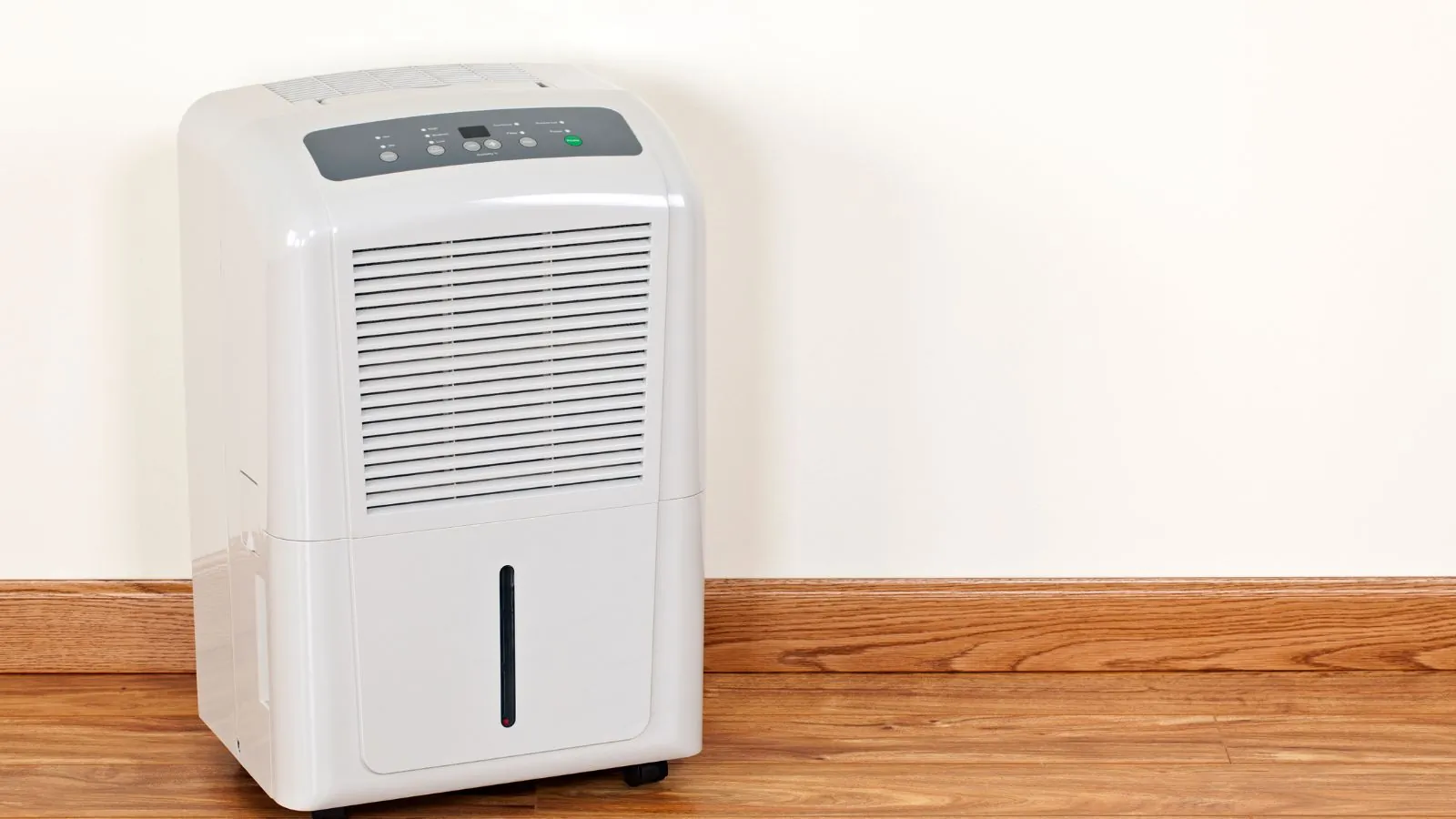
Low grain refrigerant units pull that moisture out of the air and pump it down a drain. Without them, air movers just make a humid room.
Specialty tools handle special cases. Injection systems push dry air into wall cavities and under cabinets. Floor mats draw moisture up through hardwood.
Moisture mapping
Before equipment is set, the wet area is mapped. Readings are taken on every wall, floor and ceiling near the loss and compared with a dry reference in an unaffected room. The map shows how far water wicked, which is nearly always farther than the stain.
The map is repeated on each visit. Drying is finished when the wet materials match the dry reference, not when they feel dry to the hand. Those logged readings are also useful documentation for a claim.
How long does drying take?
| Material | Typical behavior | What speeds it up |
|---|---|---|
| Drywall and carpet | Often a few days | Early extraction, baseboards off |
| Framing lumber and plywood | Several days | Direct airflow, low humidity |
| Hardwood flooring | A week or more | Floor mats, patience, no early sanding |
| Concrete slab | Takes the longest | Surface airflow and steady dehumidification |
These are general ranges, and the meter makes the final call. The start time matters most. EPA guidance is to get wet materials dry in the first 24 to 48 hours so mold does not get started.
Why drying in DeBary takes real dehumidification
Outdoor air in Central Florida is humid for most of the year. Opening the windows after a leak usually brings in more moisture than it lets out. DeBary's planning data also notes high water tables and poorly drained soils, so slabs and crawl spaces start out closer to damp than they would in a dry climate.
That is why a drying job here is run as a closed system: windows shut, air conditioning on, dehumidifiers sized for the space.
What we do not do
We do not rent out air movers or dehumidifiers. The equipment is used on jobs we are managing, where someone is taking readings and adjusting the setup. Running rented fans without measurements is how hidden moisture gets missed.
Where drying connects to other work
Drying follows water extraction on almost every loss. Wet walls are handled with the methods on our wall and drywall water damage page, and wood floors under hardwood floor water damage repair. If materials stayed wet too long, the next step may be mold remediation.
Cost factors
- Water category. Clean water allows more materials to be dried in place.
- Affected area. Square footage and number of rooms.
- Materials. Dense materials need more days.
- Equipment count and days. The main driver on most drying invoices.
- Demolition. What has to be removed to let the structure dry.
Drying after a sudden, accidental leak is often part of a covered claim, while long-term seepage often is not. Check your policy or ask your insurer. To price a drying job, call (833) 521-1033. Equipment count, expected days and cost are explained before setup.
Service area
Drying jobs are booked by phone 24/7 for DeBary, Lake Mary, Orange City, Sanford and Longwood. Every setup is run by licensed and insured technicians against the S500 dry standard.
Questions and answers
How do I know if my walls are still wet inside?
You cannot tell by touch. Swollen baseboards, peeling paint and a musty smell are hints. A moisture meter gives the answer in minutes.
Can I rent your drying equipment?
No. We use it on jobs we monitor. A tool rental shop is the place for standalone fans.
Is the equipment loud, and can I stay home?
It is noisy and warm, and it runs around the clock. Most people stay home during clean-water drying. Ask us about your specific situation.
Is structural drying an emergency?
The drying itself is planned work, but the clock is real. The sooner it starts after a leak, the more can be saved.