
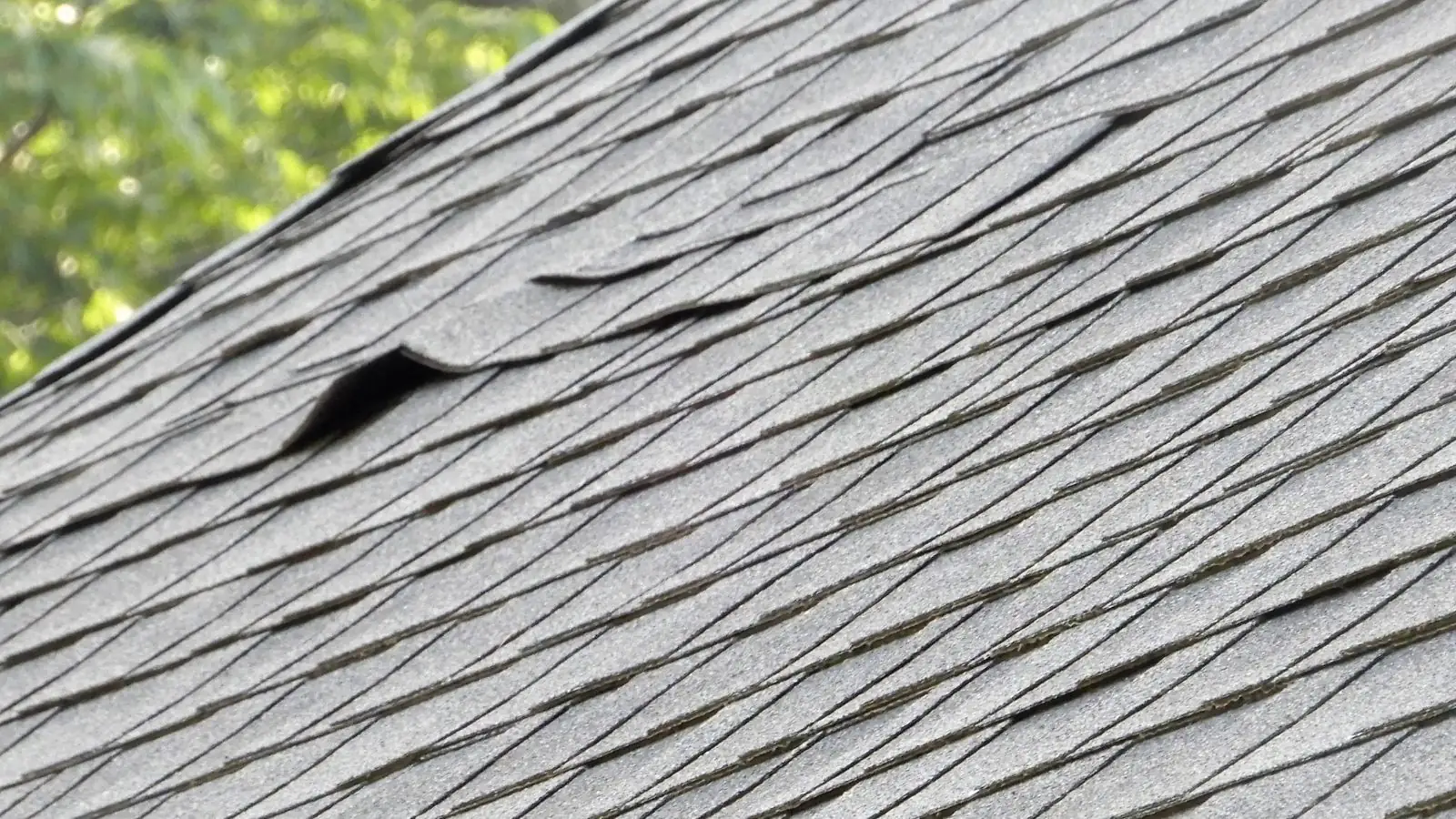
Storm water in the house: urgent steps once it is safe
Storm water damage is water that enters a building through its roof, walls, windows or doors during a wind and rain event. It is different from rising flood water, which comes in at ground level and is covered on our flood damage cleanup page. If a storm has opened your DeBary home, the line is answered 24/7.
Wait until the wind has dropped. Stay off the roof. Photograph the damage, move belongings out of wet rooms and cover openings from the inside if you can. Do not use ceiling lights in a room where the ceiling is wet.
Downed power lines and water are a deadly mix. Stay well away and call 911 or your electric utility. Do not enter a room where water has reached outlets.
How storms get water inside
Roof covering
Wind lifts or strips shingles, and rain soaks the deck, the insulation and then the ceiling.
Windows and doors
Wind-driven rain is pushed past seals and into the wall below the opening.
Soffits and vents
Rain blown sideways enters the attic through ventilation openings.
Fallen limbs
A branch through the roof opens the house directly to rain.
Rain got in through the roof or a broken window? Call once the storm has passed and tell us which rooms took water.
☎ (833) 521-1033What DeBary storms have looked like
The numbers here are from primary sources. The National Weather Service summary for Hurricane Milton in 2024 lists 14.98 inches of rain at a gauge near DeBary, among the highest totals in its area. The St. Johns River reached major flood stage at the DeLand gauge after that storm, and set records there after Hurricane Ian in 2022.
For a homeowner, the lesson is practical. Rain measured in double digits will get through any opening that wind creates, and it keeps coming for hours. A tarp and a quick call matter more than waiting to see how bad it is.
Storm water or flood water? The difference matters
| Question | Storm water (this page) | Flood water |
|---|---|---|
| Where did it enter? | From above or through walls | From the ground up |
| Water category at entry | Often clean rain | Treated as contaminated |
| Typical insurance path | Homeowners or wind policy | Separate flood coverage |
| Main materials hit | Ceilings, insulation, upper walls | Floors, lower walls, contents |
Some homes get both in one storm. We scope them separately so your records match how insurers look at them.
How the cleanup runs
Standing water is removed with extraction units. Wet ceiling drywall and attic insulation are taken out, because soaked insulation keeps wood wet. Walls under windows are metered and opened where the cavity is wet.
Air movers and LGR dehumidifiers run on generator power if the grid is still down. Readings are logged daily. Rain that entered clean does not stay clean: after about two days in warm conditions it is handled as contaminated. Ceiling rebuilds follow our ceiling water damage repair process.
After a major storm, expect a queue
We will be honest about this. After a hurricane, every restoration company in Volusia and Seminole counties is busy. We do not promise an arrival time. We will tell you where you stand when you call, and what to do in the meantime to limit damage.
Cost factors
- How much of the envelope opened. One window versus a section of roof.
- Hours of rain exposure. Longer storms push water deeper.
- Insulation and ceilings. Removal and replacement add material and labor.
- Power. Running equipment on generators adds cost.
- Rebuild. Drywall, paint and flooring are scoped after drying.
Wind-driven rain and flood are usually handled under different coverage, and hurricane deductibles often apply. Florida law sets deadlines for giving notice of a property claim, so read your policy and ask your insurer soon after a storm. For a number on your storm loss, call (833) 521-1033. The scope and price are talked through with you before work begins.
Permits and coverage area
Structural repairs after a storm can need a permit. The City of DeBary Building Department at City Hall handles permits through its online portal. Permit rules vary, so ask the department before rebuild work starts. We serve DeBary, Orange City, Sanford, Lake Mary and Longwood after storms, using licensed and insured crews and S500 drying practice.
Questions and answers
Do you handle storm water damage emergencies at night or on weekends in DeBary?
Yes. Phones are answered 24/7, including during and after storms. Crews travel when roads are safe to drive.
Do you tarp roofs?
Roof tarping and repair belong to a roofer. We handle the water inside and can work alongside your roofer.
The power is out. Can drying still start?
Yes. Extraction and material removal do not need grid power, and drying equipment can run on generators.
Rain came in three days ago and the room smells. Is it too late?
No, but the scope changes. Materials wet that long are checked for growth, and some will need to come out.