
The honest answer
Most professionally dried water losses in a home take somewhere between a few days and a couple of weeks. That is a wide range, and it is wide for good reasons. A wet hallway carpet and a soaked oak floor are not the same problem.
Drying time depends on what got wet, how wet it got, how long it sat and the conditions in the house. This guide breaks those down so you can judge where your situation falls.
Typical ranges by material
| Material | General drying range with equipment | Why |
|---|---|---|
| Carpet, pad removed | A few days | Thin, with air on both sides when floated |
| Drywall, clean water | A few days | Porous and releases moisture readily |
| Insulated wall cavity | Longer, usually opened | Insulation holds water against framing |
| Framing lumber and plywood | Several days to a week | Dense, dries from the surface inward |
| Hardwood flooring | One to several weeks | Dried slowly on purpose to avoid cracking |
| Concrete slab | Longest of all | Dense and thick, gives up water gradually |
| Plaster | Slow | Thick, and layered over lath |
These are general ranges from field practice, not a promise for your job. The meter decides.
Drying on your own and not sure it is working? Call and we will explain what a moisture check involves.
☎ (833) 521-1033What "dry" means
Dry does not mean it feels dry. Wood, drywall and concrete always contain some moisture. The target is the normal level for that material in your house, called the dry standard. Technicians take a reading on the same material in an unaffected room and dry the wet area until it matches.
That is why a professional job ends with numbers. The ANSI/IICRC S500 standard, the published reference for the trade, is built around measurement.
Five things that change the timeline
1. How fast drying started. Water keeps moving into materials for as long as it sits. A leak extracted in the first hours wets far less than one found after a weekend.
2. Whether standing water was extracted. Evaporating a puddle takes days. Removing it with extraction equipment takes minutes.
3. What was removed. Wet pad, soaked insulation and swollen baseboards slow everything around them. Taking them out early shortens the job.
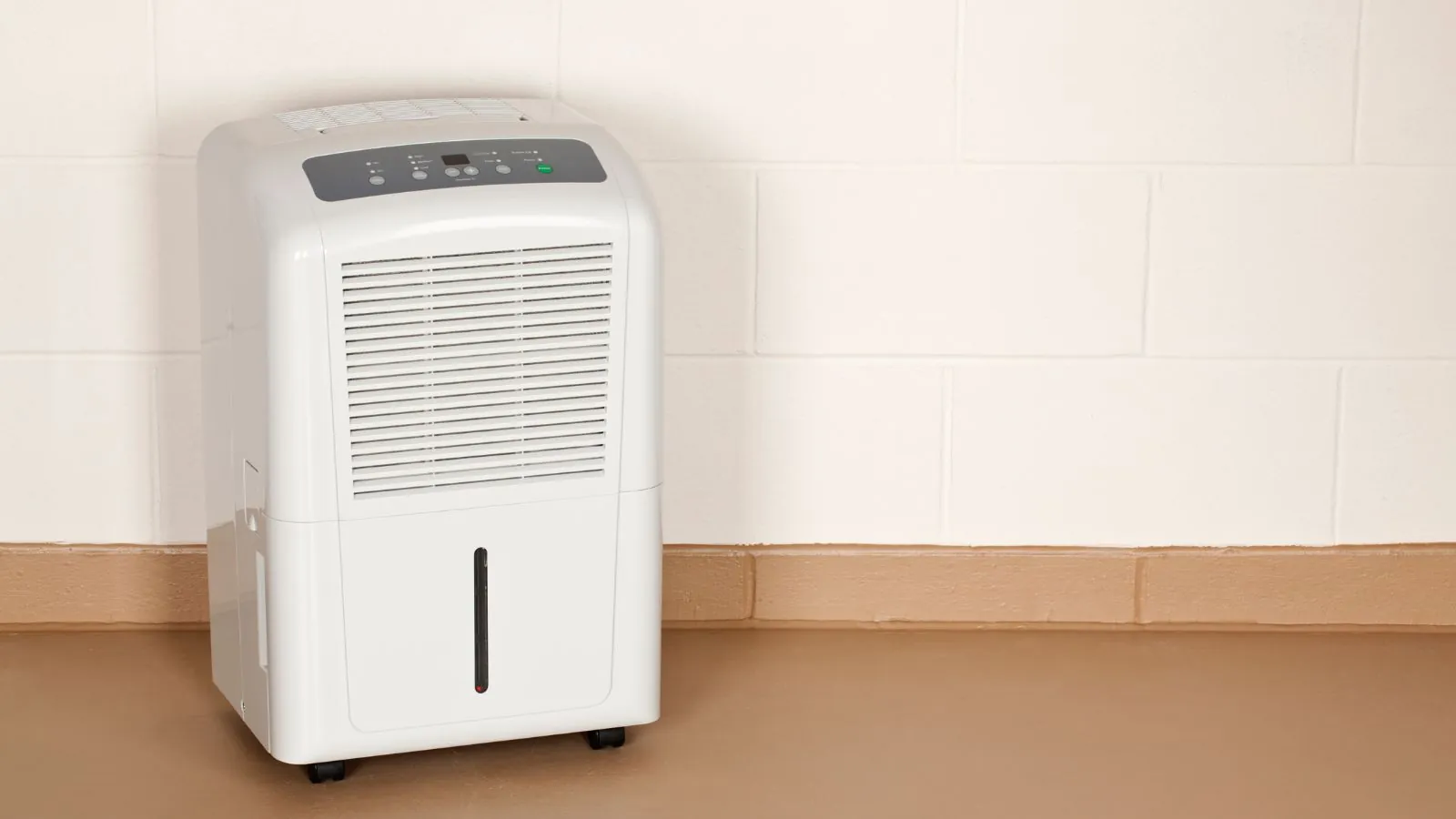
4. Indoor conditions. Drying needs warm, dry, moving air. Air movers create the movement. Dehumidifiers create the dryness. Without dehumidification, the air fills with moisture and evaporation stalls.
5. Hidden water. Under cabinets, behind tile, beneath plank floors and inside wall cavities. These are the usual reasons a job runs long.
A typical timeline
Day 1. Source stopped, water extracted, moisture mapped, wet materials that cannot be saved removed, equipment set.
Days 2 and 3. Readings drop the most in this stretch. Equipment is repositioned toward the areas still reading wet.
Days 3 to 5. Drywall and carpet commonly reach target. Some equipment is removed.
Day 5 onward. Dense materials continue. Wood floors and slabs may need another week or more.
Repairs begin after the final readings. Closing a wall over damp framing is how mold problems start.
Can I dry it myself?
For a small clean-water spill on a hard floor, caught immediately: yes. Mop, run fans, run the air conditioning and check again the next day.
For anything that reached carpet pad, got under baseboards, came through a ceiling or involved more than one room, household fans are not enough. They move air but do not remove moisture from it, and you have no way to confirm the inside of the wall is dry. That is the situation our structural drying and dehumidification page describes.
What happens if drying takes too long
Federal EPA guidance puts the target at 24 to 48 hours for drying wet materials. Beyond that, drywall paper and wood can begin to support growth, clean water is reclassified as contaminated, and more material has to be removed. Slow drying also raises the bill. If growth appears, the next step is mold remediation.
Local note for DeBary homeowners
Climate makes drying harder in DeBary than in a dry state. Central Florida's outdoor air is humid for much of the year, so opening windows after a leak usually brings moisture in. Keep the house closed, keep the air conditioning running and let dehumidifiers do the work.
Ground conditions add to it. The City of DeBary's planning data lists poorly drained soils with high water tables among the main constraints on building here. A concrete slab on damp ground starts out holding more moisture, so slab readings should be compared with a dry area of the same slab and not with a textbook figure.
After major storms the timeline stretches for another reason. A rain gauge near DeBary logged 14.98 inches during Hurricane Milton in 2024, per the National Weather Service. Where groundwater stays high against a house for days, final drying cannot finish until it drops.
The same holds in nearby Orange City and Sanford.
Questions to ask whoever dries your home
- What is the dry standard for each material, and where was it measured?
- How often will readings be taken?
- Can I see the moisture log?
- What will be removed, and why?
- When do repairs start?
Questions and answers
Can I stay in the house while it dries?
Usually, for clean-water losses. The equipment is loud and warm. Ask about your specific case.
Should I turn the equipment off at night?
No. Drying is continuous. Switching it off lets moisture settle back into materials.
Why does drying take longer in DeBary's summer?
Humid outdoor air and damp ground mean the house starts with more moisture. Closed windows, air conditioning and dehumidifiers offset it.
How do I know it is really dry?
Ask for the final readings compared with the dry standard. Numbers, not touch.